Carol Pak of Sool Makku Reinterprets a Centuries-Old Korean Alcohol
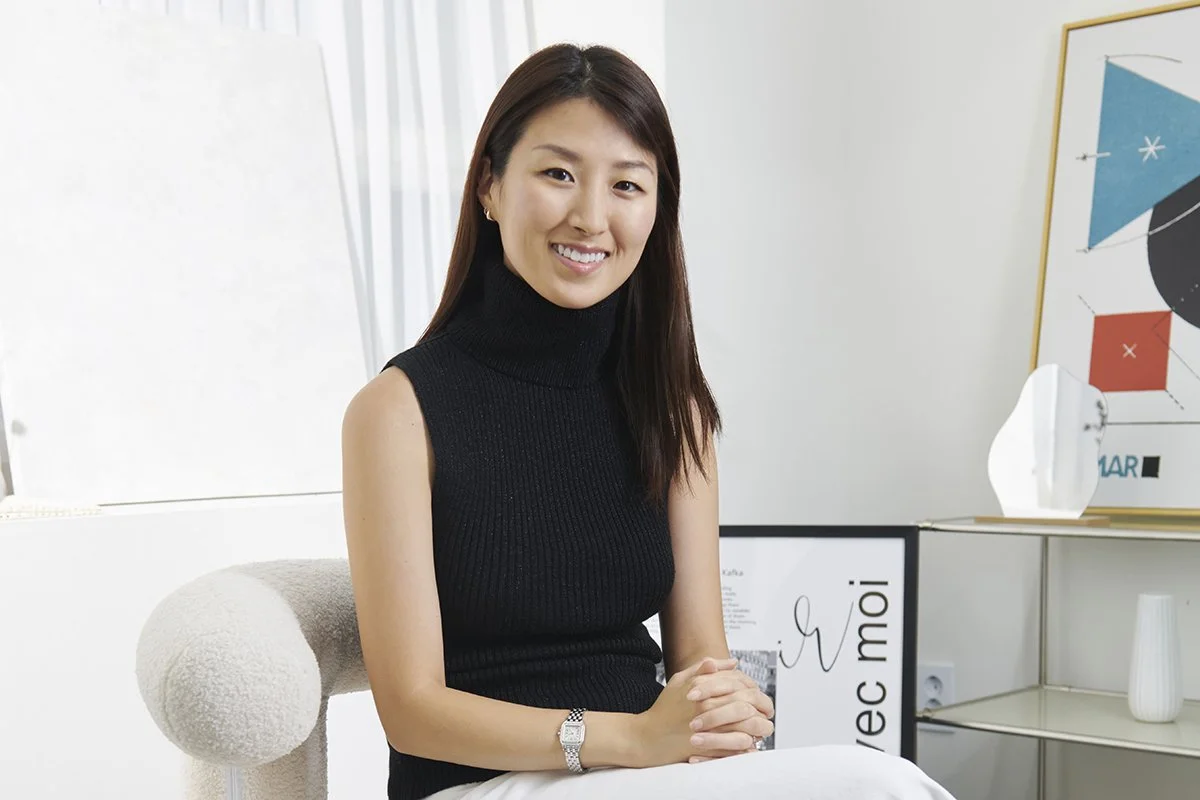
Carol Park, founder & CEO, Sool/Makku
With a history that dates back 2,000 years, makgeolli is Korea’s oldest alcoholic beverage. Its simplicity is deceptive: brewed similarly to beer, it consists of just water, rice and a traditional Korean fermentation starter called nuruk. But there is a remarkable diversity of flavors from just these three ingredients — and that was what drew Carol Pak to learning more about makgeolli, eventually aiming to bring it to America.
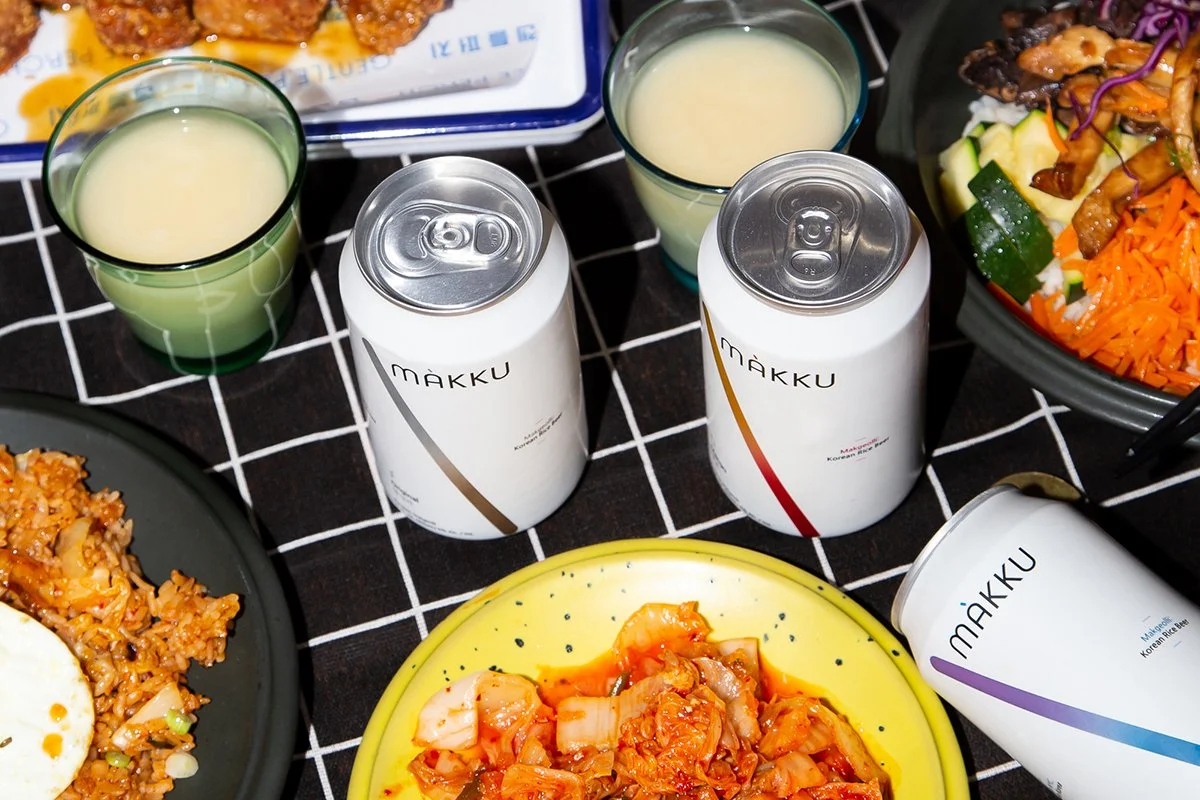
Pak, who comes from an entrepreneurial background in the beverage industry, founded Sool in 2020. Initially working with her mother from her apartment in Queens, she developed a recipe for canned makgeolli. The result, Makku, is produced by a Korean brewery in the form of a canned, low-ABV drink naturally sweetened and flavored with cane sugar and fruit puree. That combination is ideal for the moment: in addition, it also delivers genuine cultural heritage with the current attractiveness of “Asian alcohol,” as Pak puts it.
Pak’s hard work paid off when in 2023, Food & Wine awarded her one of the Drinks Innovators of the Year. She envisions a world where sool can exist anywhere: not just at Korean restaurants and markets but at bottle shops, backyard barbecues, or during Sunday night football. She discusses her journey towards industry recognition, spreading word of mouth, and essentially launching a new category of beverages in the Western world.
What opportunity in the beverage industry inspired you to build this brand?
I always thought I didn't like makgeolli, but when I tried makgeolli during a trip to Korea in 2017, I realized that I just never had good makgeolli. Just how I thought I hated beer when I was only drinking Natty Lite in college. So although I knew it might be a long road, I decided I had to get some good makgeolli out in the US, in case there were many other makgeolli lovers.
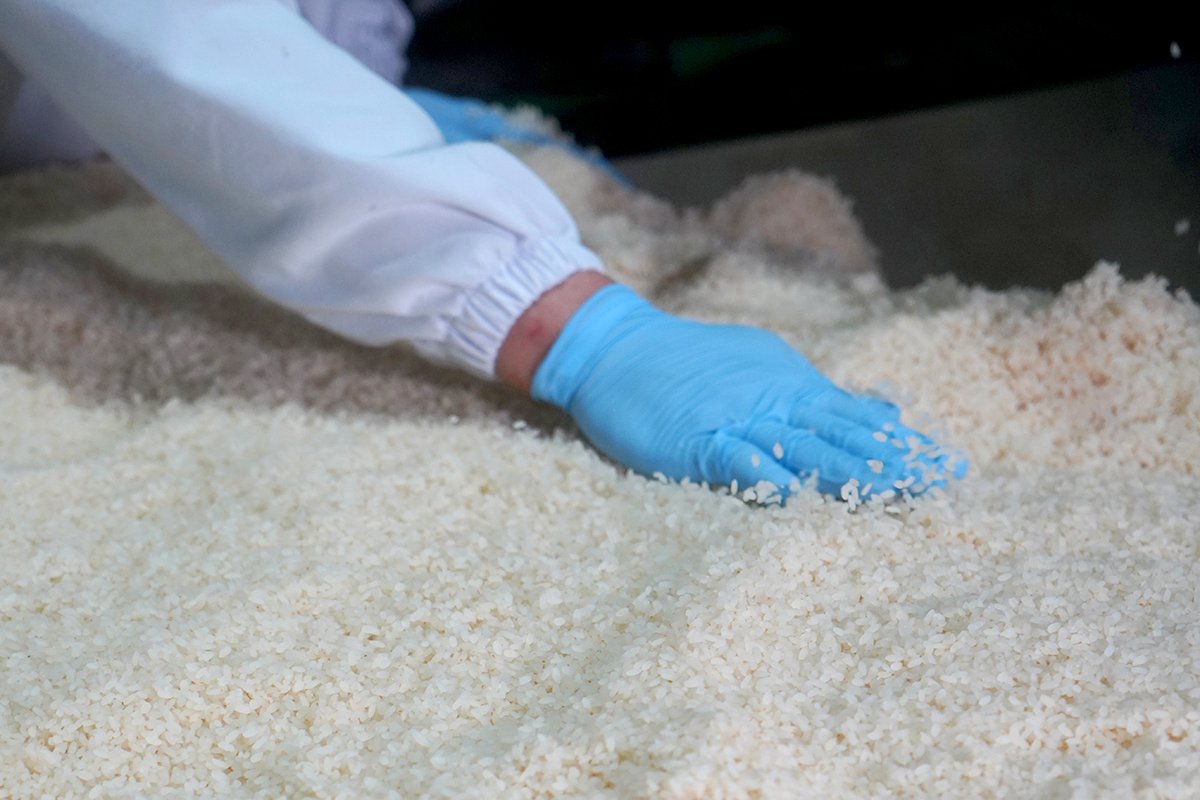
Similarly to beer, makgeolli consists of just water, rice and a traditional Korean fermentation starter called nuruk.
As you've grown the business, what's been the biggest challenge that you didn't anticipate?
Our biggest challenge is trying to figure out how to categorize Makku, and we're still figuring it out. Are we trying to introduce a brand new category? Yes, but it's so hard to accomplish that as one of the only U.S. makgeolli brands. Here, all imported makgeolli brands are categorized as a wine or wine product, and consumers call it a “rice wine.” This always puzzled me as makgeolli and wine aren't typically consumed in the same way, and I don't think it sounds appealing to people who have no idea what sake and makgeolli are. They imagine wine, and try to make a connection to rice — I'm not sure that's so appealing. So until we can formally create the makgeolli category and get that recognition from the Alcohol and Tobacco Tax and Trade Bureau (TTB) and U.S. consumers, we decided to lean into the beer category (which has its own set of challenges).
What’s one lesson you've learned in your career that you wish you knew earlier?
In regards to entrepreneurship and building a brand: You don't need to fundraise and hire right away. Try to go as far as you can with your means, and only fundraise and hire when you know how and why to use those assets.
What trend, consumer behavior, or shift in the industry are you most excited about right now?
What I'm hearing from distributors and buyers right now, is that Asian alcohol as a whole is hot! Sool is finally getting treated the way sake and natural wine were a decade ago — moving from "ethnic aisle" to something bartenders and buyers actively seek out. There are new local makgeolli breweries popping up every year. I’m also seeing premiumization in soju: instead of mass market green bottles (diluted soju), you're seeing craft soju made with distilled rice, with stories about their ingredients and brands. There are more cocktails being made with soju and makgeolli, in restaurants and in bars. Collectively, these signals point to an opportunity for the market to grow, which I'm super excited about.
What are some Korean and American perspectives, values, and customs that you bring to Sool?
We try to respect the craft and heritage of sool (makgeolli and soju) by keeping traditional brewing methods and ingredients. Makgeolli is typically a sweet beverage in Korea, so we sweetened Makku to keep a similar tasting profile. However, we innovated flavored makgeolli to cater to the American customer base, kind of as a gateway to try makgeolli. Meanwhile, we want to be relatable to consumers who know nothing about sool, and just want to enjoy our delicious drinks. So we make sure to keep our product in line with what people care about: clean ingredients, all natural, gluten free.
We also share the Korean customs of drinking communally, especially during big Korean holidays such as Lunar New Year (Seollal) and Autumn Harvest Festival (Chuseok). We are open minded with food pairings: while Koreans typically drink makgeolli and soju with very specific dishes, we don't push this since we believe that our drinks can pair with all types of cuisines, just like beer and wine. So a lot of what we do is reinvention with respect: new flavors, new formats, new occasions, all without losing what makes sool special.
What's currently in your glass when you're not drinking your own product?
Old Fashioneds and martinis when I'm not with my little ones, wine and water when I am!